
For Tisza, a new domestic economic agenda and anti-corruption reforms are not mutually exclusive.
Featured
For Tisza, a new domestic economic agenda and anti-corruption reforms are not mutually exclusive.

To manage new technological capabilities, the National Security Council should establish legally binding AI infrastructure standards based on semiconductor manufacturing and computing power.
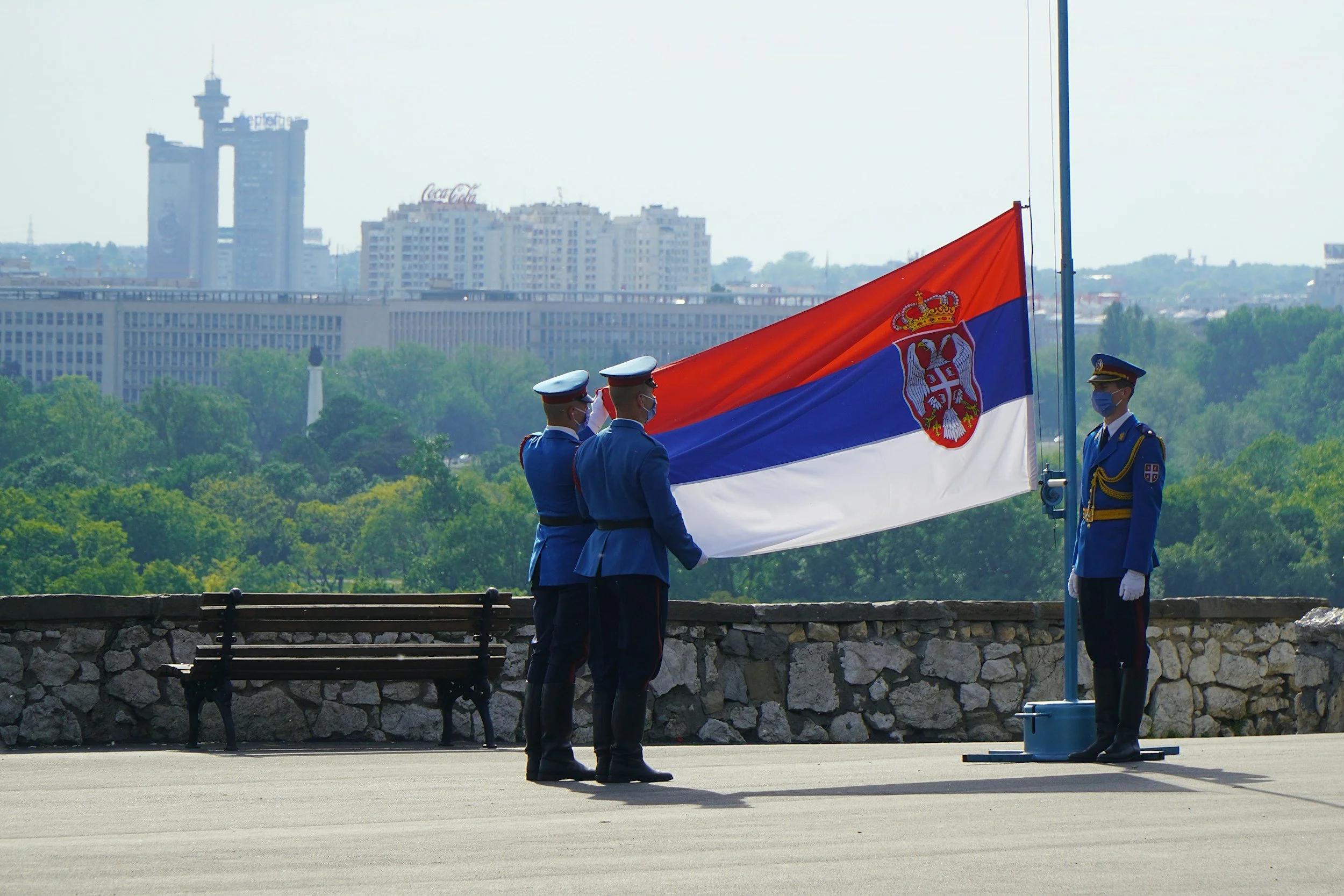
An anti-corruption student movement faces an uphill battle against the entrenched regime of Aleksandar Vučić; regardless of the result, the United States and the European Union should reexamine their relationship with the Balkan state.

As concerns over organized crime grow, Latin American governments are increasingly turning to El Salvador’s security blueprint.

For U.S. ally Kosovo, a contested war crimes verdict against a former leader generates discontent — and offers the West an opportunity to show continued interest in the region.

President Emmanuel Macron’s latest visit to India for the AI Action Summit in February 2026 serves as an example for middle power cooperation amid a changing international system.

U.S.-Cuban relations are at a pivotal point in 2026. Pope Leo, in the footsteps of his predecessor, is reaching out to both nations for sincere dialogue and open discussion. The tensions of this moment, caught on the verge of crisis, can be resolved through mediation, conversation, and continued cooperation.
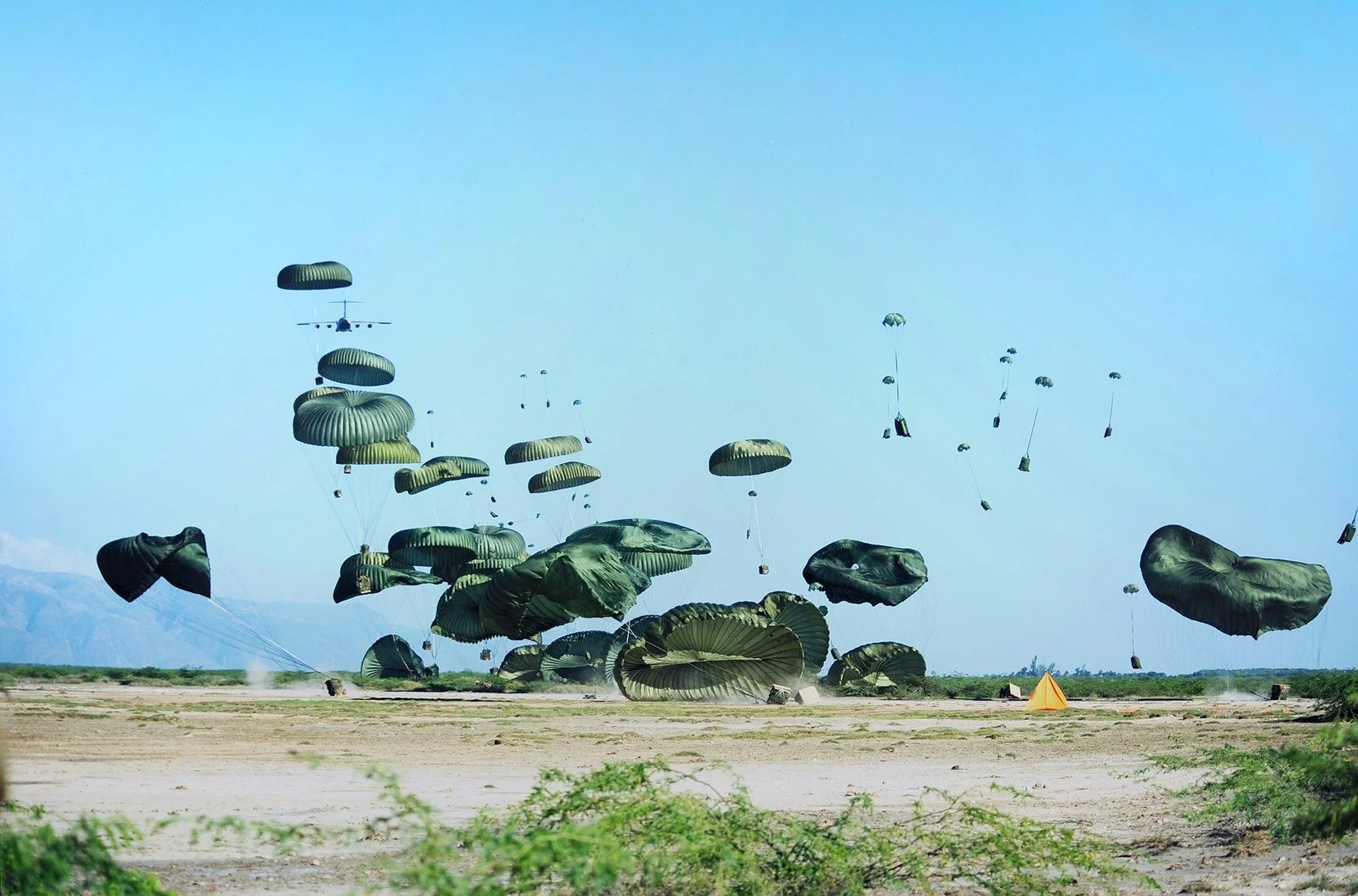
The state, in its effort to reestablish order, must not undermine itself by employing a rogue, unaccountable mercenary force. The International Convention against the Recruitment, Use, Financing and Training of Mercenaries, and the accompanying Montreux Document provide the means for oversight.

With an increased international focus on nuclear energy, countries should evaluate potential chokepoints in the supply chain.
Human Rights
As concerns over organized crime grow, Latin American governments are increasingly turning to El Salvador’s security blueprint.
For U.S. ally Kosovo, a contested war crimes verdict against a former leader generates discontent — and offers the West an opportunity to show continued interest in the region.
The state, in its effort to reestablish order, must not undermine itself by employing a rogue, unaccountable mercenary force. The International Convention against the Recruitment, Use, Financing and Training of Mercenaries, and the accompanying Montreux Document provide the means for oversight.

Ukraine lacks essential CRSV policy in its fight against Russia, putting its citizens at risk.

Palestinian women struggle against both obvious and hidden consequences of conflict.

Addressing the influx of mail-order brides from the Philippines requires a collaborative anti-trafficking effort with the United States.
Security
To manage new technological capabilities, the National Security Council should establish legally binding AI infrastructure standards based on semiconductor manufacturing and computing power.
As concerns over organized crime grow, Latin American governments are increasingly turning to El Salvador’s security blueprint.
With an increased international focus on nuclear energy, countries should evaluate potential chokepoints in the supply chain.

Russia’s use of international recruitment benefits its foreign policy beyond Ukraine's battlefields.
Ukraine lacks essential CRSV policy in its fight against Russia, putting its citizens at risk.

Across Northern Ireland, Liberia, and now Israel/Palestine, women peacebuilders use peace as a strategy in the face of conflict.

Investigating Al-Hol’s current state reveals complex dynamics that impact the residents and region.

Despite its advanced transnational online networks, adding alternative social media sites within existing public-private frameworks, would render the Russian Imperial Movement vulnerable.

China’s expanding nuclear arsenal could spark a new arms race that Washington should seek to avoid.

As the 2024 U.S. election approaches, the EU must confront its regional insecurity and become a more capable security and defense actor.
Russia
With an increased international focus on nuclear energy, countries should evaluate potential chokepoints in the supply chain.

Moldova’s elections reveal a nation torn between European aspirations and Russian influence.
Russia’s use of international recruitment benefits its foreign policy beyond Ukraine's battlefields.

Russian migration policy rarely recognizes asylum and makes the process painstakingly long, particularly for their Afghan neighbors.
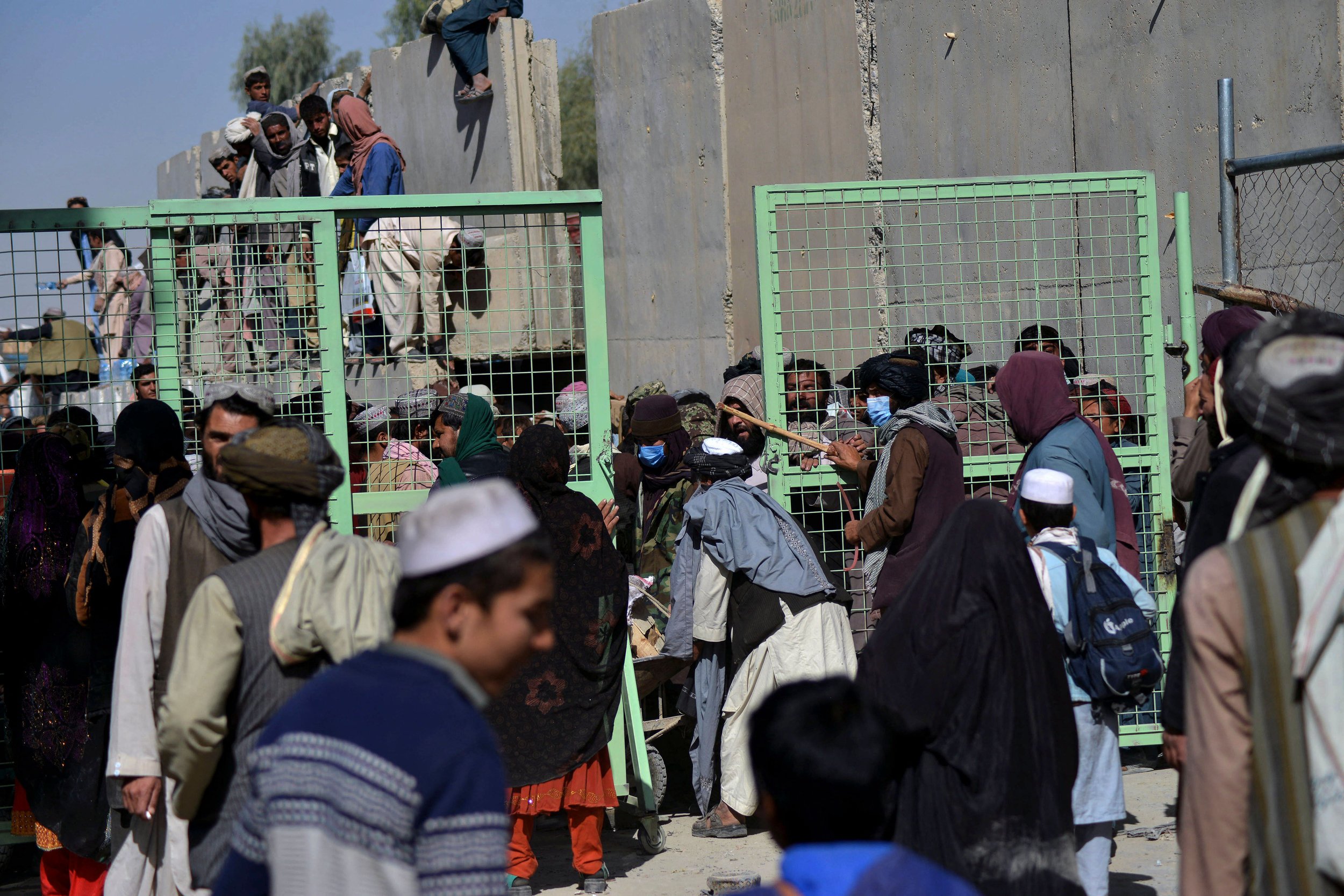
Russian migration policy rarely recognizes asylum and makes the process painstakingly long, particularly for their Afghan neighbors.
Despite its advanced transnational online networks, adding alternative social media sites within existing public-private frameworks, would render the Russian Imperial Movement vulnerable.